Common Levels of Care

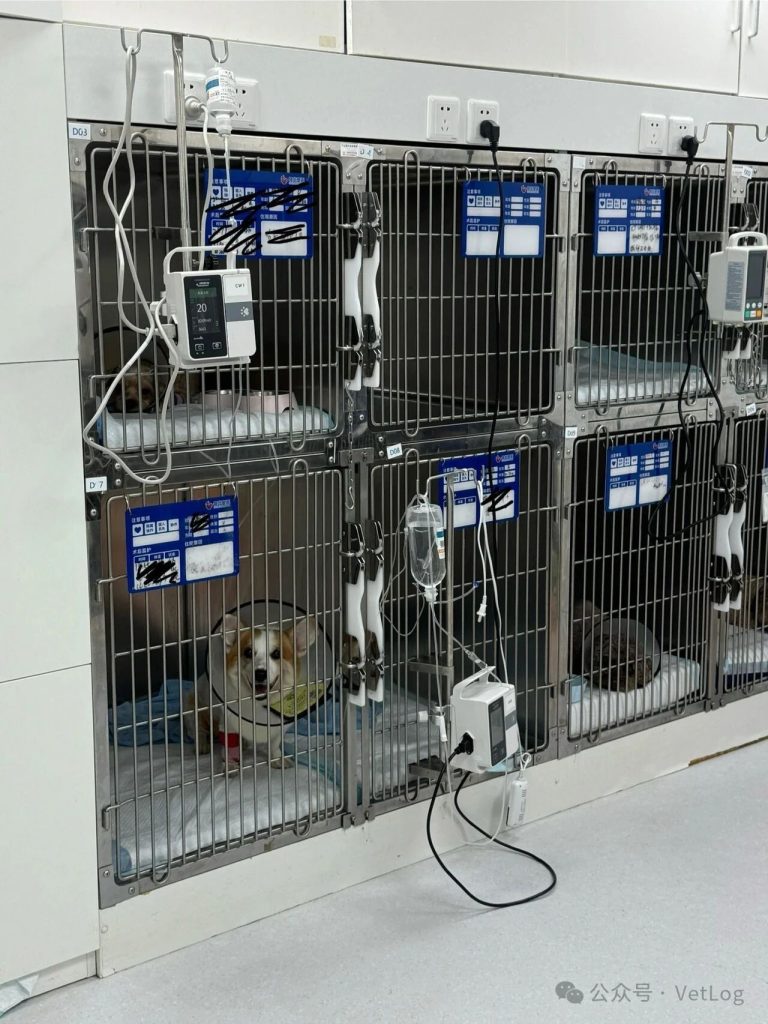
The inpatient department is divided into special care (monitored hourly), A1 (monitored every 2 hours), A2 (monitored every 4 hours), and A3, with monitoring levels decreasing sequentially.

These animals have undergone mastectomies, total hip replacement (THR) surgeries, and suffer from conditions such as anemia. They require real-time monitoring to ensure their vital signs remain stable and they recover steadily. Only then can we guarantee their healthy discharge from the hospital.

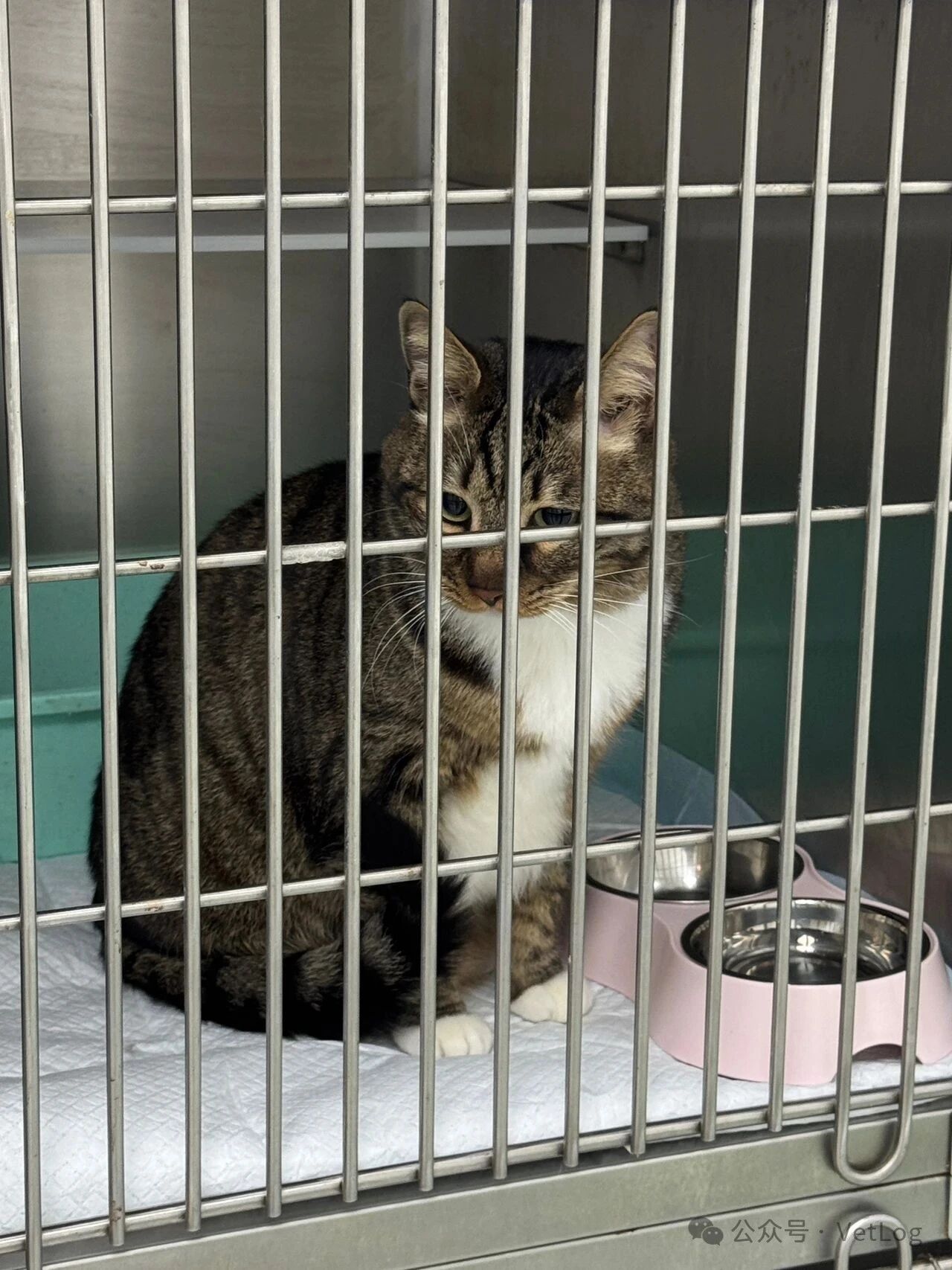
Here, nurses and resident veterinarians work together to safeguard the health of hospitalized animals.

Main Content of Guardianship

Verify the patient's name and medical orders.

Check objective signs: Body temperature, heart rate, respiratory rate, mucosal color (classified as pink [pk], pale pink [ppk], pale [p], red [r], etc.), CPT (capillary refill time; normal <2 seconds; longer times may indicate dehydration).

Check subjective signs: excretion, condition (BAR indicates normal, QAR indicates abnormal)

Dog Walking (Log)

Weight, fluid intake and output monitoring, feeding details, appetite, etc.

Other notes should be recorded in the details.

Drug administration method

💉 PO: Oral SC: Subcutaneous injection IV: Intravenous injection

Every day, parents come to visit, and we need to communicate with them in a friendly and effective manner. 💗

Post Reply

Your email address will not be published. Required fields are marked with *

Author

Avatar photo

lisaxia@vetlog.net

Related Articles

One Blade, A Lifetime of Protection❗️

During my internship, I discovered that a significant number of animals were diagnosed with uterine...

Read all