The "antibiotic resistance" in humans and pets is actually two sides of the same coin.

If you feel antibiotics are "becoming less effective," it's likely not just your imagination. Antibiotic resistance is quietly transforming how we fight infections. What many don't realize is—pets are also part of this chain of resistance.

What is antibiotic resistance? Why do bacteria "get smarter"?

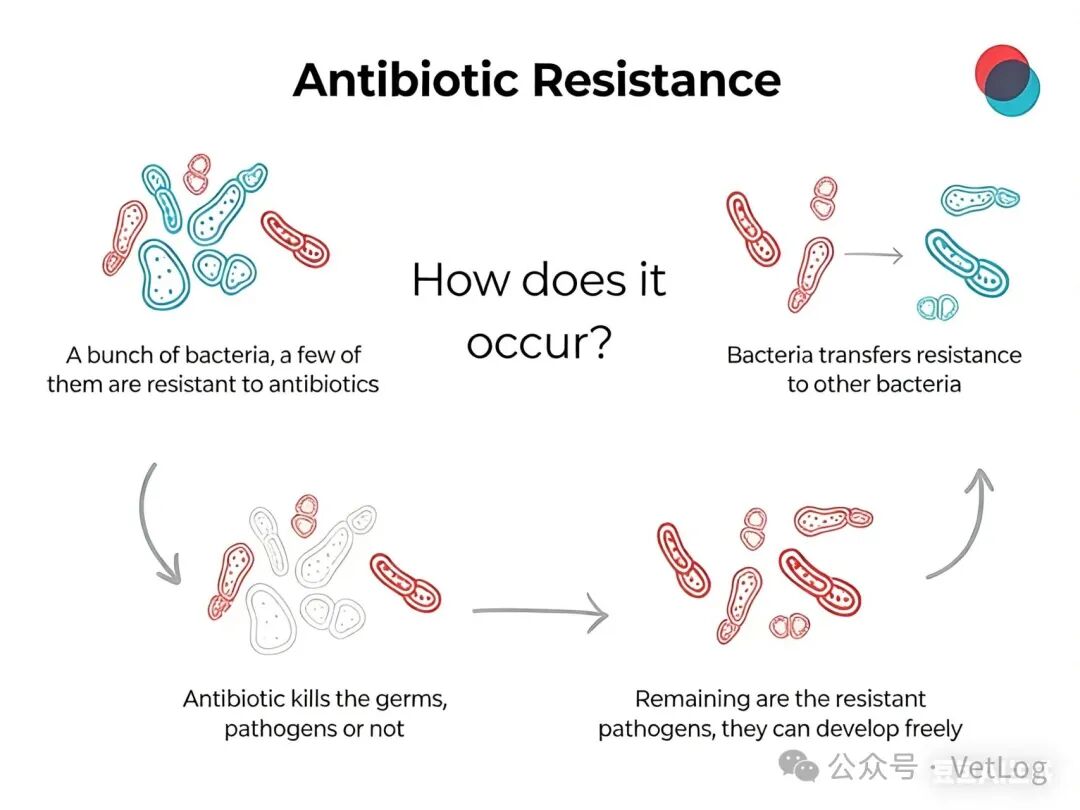
Antibiotics don't build immunity in the human body; they directly kill or inhibit bacteria.However, when antibiotics are used repeatedly, excessively, or improperly, some bacteria may survive and gradually develop the ability to become "insensitive" to the drugs.

These "survivors" reproduce, passing on their resistance genes from generation to generation. They can even "share" this resistance with other bacteria through plasmids and other means. Over time, what was once a simple infection may require stronger drugs—or even become untreatable.


Are antibiotics for pets really unrelated to humans?

In fact , antibiotics used by veterinarians and human doctors overlap significantly. Drugs like penicillins, cephalosporins, and fluoroquinolones may appear in both hospitals and animal clinics.

When pets develop skin infections, urinary tract infections, or respiratory diseases, antibiotics are often crucial treatments. But if:
• Antibiotics are administered without a clear diagnosis
• Overuse occurs as a "precaution"
• Medication is stopped prematurely upon symptom improvement

This can "select" for drug-resistant bacteria within the pet's body.

Bacteria do not recognize boundaries between humans and pets

In daily life, contact between humans and pets is far more frequent than we realize:
• Petting, hugging, kissing
• Cleaning litter boxes, walking dogs
• Sharing sofas, beds, and living spaces

These interactions are perfectly normal, but they also mean bacteria can travel both ways between humans and pets. Studies have found that certain drug-resistant strains, like methicillin-resistant Staphylococcus aureus (MRSA), can coexist in both humans and pets.

This doesn't mean "pets are unsafe." Rather, it reminds us that antibiotic resistance isn't a problem confined to any single species—it's a shared risk we all face.

Image


Beyond household pets, animals in livestock farming also receive massive amounts of antibiotics for treating diseases, preventing infections, and even promoting growth in some regions. Without strict regulation, drug-resistant bacteria can spread through:
• Meat and dairy products • Fecal matter entering the environment • Water sources and soil contamination Ultimately returning to human


society, forming a difficult-to-break cycle.

Image


Why Is Antimicrobial Resistance a "Slow-Motion Crisis"?

Unlike sudden outbreaks of infectious diseases, the development of antimicrobial resistance is often slow and insidious . It doesn't immediately trigger panic, yet it could lead to:
• Common infections becoming "difficult-to-treat illnesses"
• Increased risks in medical procedures like surgeries and chemotherapy
• Significant rises in healthcare costs

For this reason , the World Health Organization has designated antimicrobial resistance as one of the world's most serious public health threats.

What can we do? Ordinary people are not powerless.

Combating resistance isn't just for doctors and veterinarians— every pet owner can participate:
• Never self-administer antibiotics to pets.
• Strictly follow your veterinarian's prescribed medication regimen and treatment duration.
• Never "share" human antibiotics with pets.
• Reduce infections through vaccinations, hygiene management, and regular check-ups
.

Preventing infections is itself the best way to reduce resistance .

One Health: Integrating humans, animals, and the environment into a single framework

Image

Today, the scientific community has proposed the "One Health" concept, emphasizing that human health, animal health, and environmental health form an interdependent whole.

Image

Post Reply

Your email address will not be published. Required fields are marked with *

Author

Avatar photo

lisaxia@vetlog.net

Related Articles

What supplements should dogs take at different life stages?

A guide that clearly explains "function, necessity, and common misconceptions" all at once...

Read all

Have you also experienced the puppy blues?

This article teaches you how to eliminate anxiety about caring for your puppy.

Read all