

Have you ever been in a situation like this:
A friend’s Golden Retriever—the moment you sit down, it rests its head on your lap, its gentle gaze seeming to say, “You’ve had a hard day.” Meanwhile, over at
, a terrier is clamping down on a slipper and refusing to let go. The more you call out to it, the more excited it gets, even wearing a look that says, “What are you going to do about it?”
You start to wonder:
They're all dogs, so why are their personalities so different?
Actually, this isn’t a question of whether they’re taught well or not; rather, they were designed this way from the very beginning.
1. It’s not a personality issue; it’s just that our “job roles” are different.
A dog’s personality is, to a large extent, “bred” by humans.
In short:
Different dog breeds were originally bred to perform different tasks.
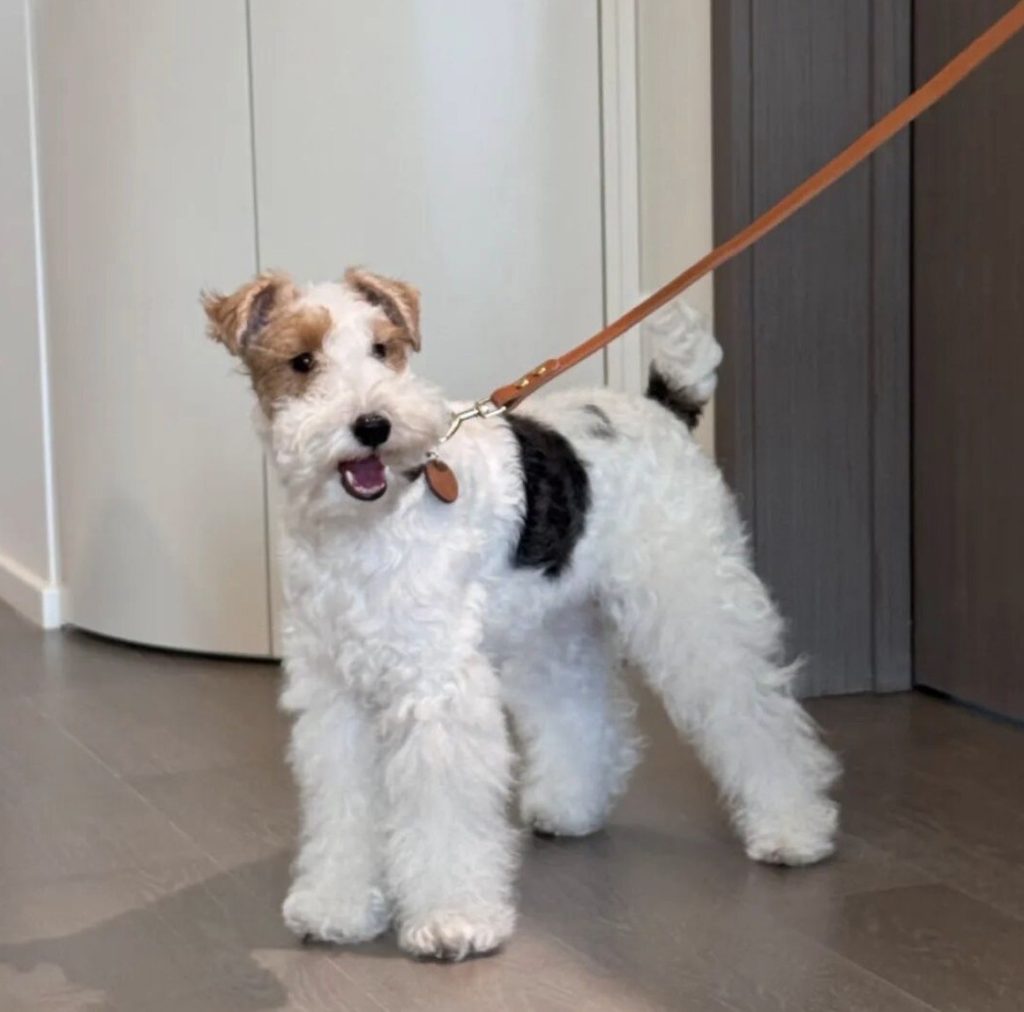
🐕 Terriers: Independent hunters
The original job of terriers was to burrow into holes and catch animals like rats, foxes, and badgers.
(Although Schnauzers originate from Germany, given their historical working roles, they can be tentatively classified alongside terriers.)
Imagine the scene:
It has to venture alone into a dark, narrow cave to face a wild animal that might fight back.
What does that mean?
👉 It must:
• Be very brave (even a little "reckless")
• Never give up easily (it won’t turn back even if you call it)
• Make its own decisions (because its owner isn’t even around)
Over time, this trait has evolved into what we see today—
—stubborn, independent, and not very obedient.
In other words:
It’s not that it won’t listen to you; it’s just that it’s “used to not having to listen.”

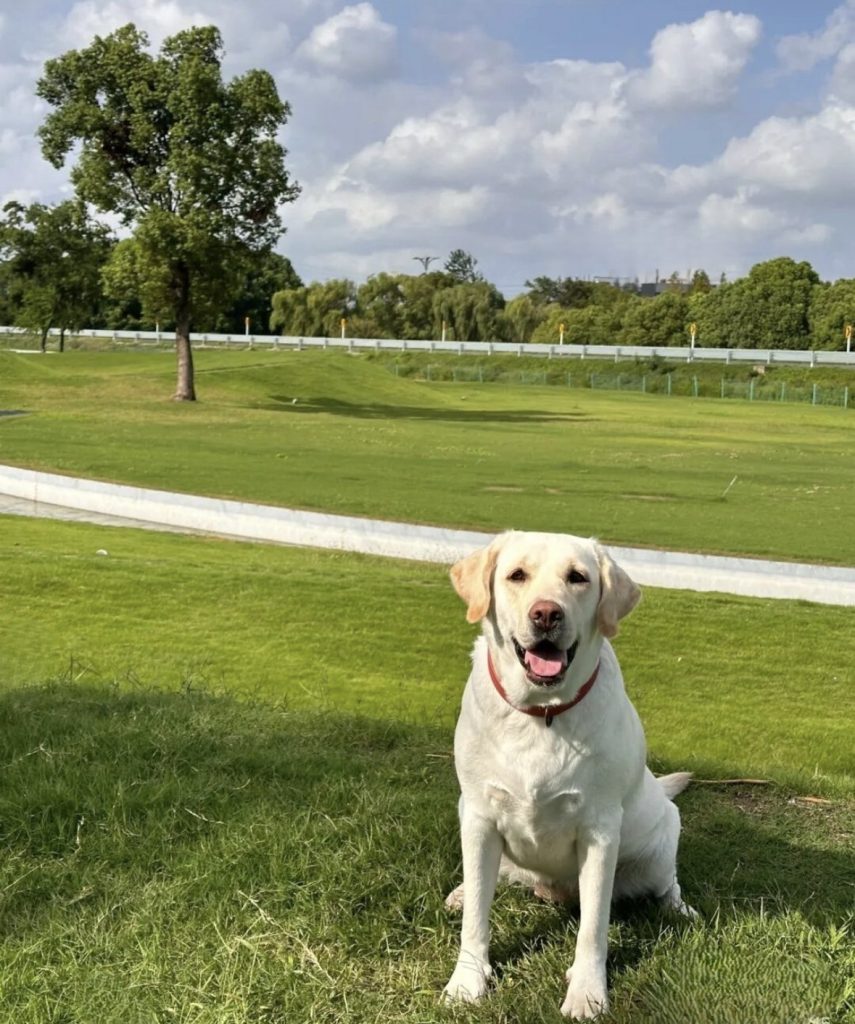
🐕🦺 Working Dogs (Golden Retrievers, Labradors): Team Players
Now let’s take a look at retrievers like Golden Retrievers and Labradors.
Their job is—
to help hunters retrieve the game they’ve bagged.
It sounds simple, but it’s very demanding:
👉 It must:
• Always pay attention to the owner’s commands
• Control its bite (it must not damage the prey)
• Be willing to perform tasks repeatedly
Therefore, when humans breed them, they specifically focus on:
👉 Obedience + Affection + Emotional Stability
This is why you might think Golden Retrievers are "gentle giants":
They aren’t naturally kind; they’ve been selectively bred to be that way.
II. A Terrier’s “Stubbornness” Is Actually a Strength
Many people might say:
“Why is this dog so stubborn?”
But from another perspective, this is actually an advantage.
The essence of a terrier’s “stubbornness” is:
👉 Goal-oriented + Highly focused
Once it locks onto a target (such as a mouse or a toy):
• It is not easily distracted
• It does not give up easily
• It is highly emotionally invested
This is a highly valuable skill in the workplace.
But in modern households—
—with no mice to chase, this “perseverance” has turned into:
• Chewing on slippers
• Digging into the sofa
• Being unusually obsessed with something

III. Golden Retrievers’ “Family Bond” Comes at a Price
Golden Retrievers are indeed "angels," but there's another side to their personality.
Because they have been bred to be highly dependent on humans:
👉 Possible issues:
• Separation anxiety
• Over-reliance on the owner
• Easily influenced by others

And what about the terrier?
👉 More:
• Independent
• Less "thin-skinned"
• Good at entertaining themselves
So, in reality, there is no such thing as a “better” personality—only a “more suitable” one.
IV. The Real Question: What Kind of Dog Do You Want?
Many people fail at dog ownership because—
They chose the wrong “temperament type”
If you're looking for:
• Always available
• Loves to be held
• Emotionally stable
👉 That tour dog is perfect for you
But if you prefer:
• Someone with personality
• Someone a bit “rebellious”
• Someone who’s more like a “roommate” than a “yes-man”
👉 Terrier dogs are actually more interesting
So next time you see a terrier “talking back” or sticking to its guns, try looking at it from a different perspective:
That isn’t “bad temper,”
but rather, deep down, it still remembers—
that it once was a hunter who charged alone into a dark cave.
And that Golden Retriever lying quietly at your feet wasn’t born gentle—
it’s simply been selectively bred over generations to become the companion that understands humans best. 🐾
(Note: Some images are sourced from the internet.)
Author

lisaxia@vetlog.net
Related Articles


Antimicrobial Resistance from a One Health Perspective
The Invisible Global Health Threat: What Is Antimicrobial Resistance? — The Invisible...
Read all
Are antibiotics becoming less effective? It might be related to your pet‼️
The "drug resistance" of humans and pets is really like grasshoppers on the same string...
Read all
What supplements should dogs take at different life stages?
A guide that clearly explains "function, necessity, and common misconceptions" all at once...
Read all
A Comprehensive Guide to Early Warning Signs of Common Dog Diseases
First-time dog owners unsure how to assess their dog's health? This is...
Read all
Have you also experienced the puppy blues?
This article teaches you how to eliminate anxiety about caring for your puppy.
Read all