
— Inside the Pet Funeral Industry
I recently conducted a series of interviews about the passing of pets. One interviewee, who was deeply devoted to his pet, mentioned that when his cat passed away, he had originally planned to have it cremated. However, because finding a suitable and reliable crematorium proved to be too much of a hassle, he abandoned that idea and opted for a burial, which is more common for pets.
Today, let’s take a look at pet cremation—an industry that may not be widely known but is growing rapidly.
I. Industry Overview: Surging Demand and Widespread Chaos Coexist
This is an emotionally driven, rapidly growing industry, but self-regulation and market standards are still being developed.
How hot is the market?
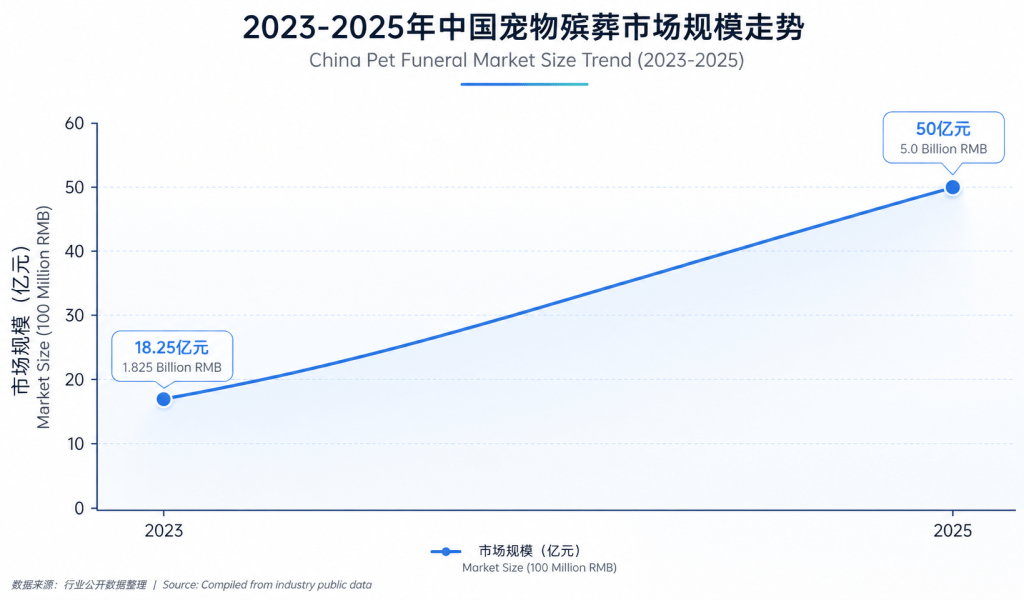
Market Size: According to publicly available industry data, the Chinese pet funeral market was valued at approximately 1.825 billion yuan in 2023 and is projected to reach 5 billion yuan by 2025.
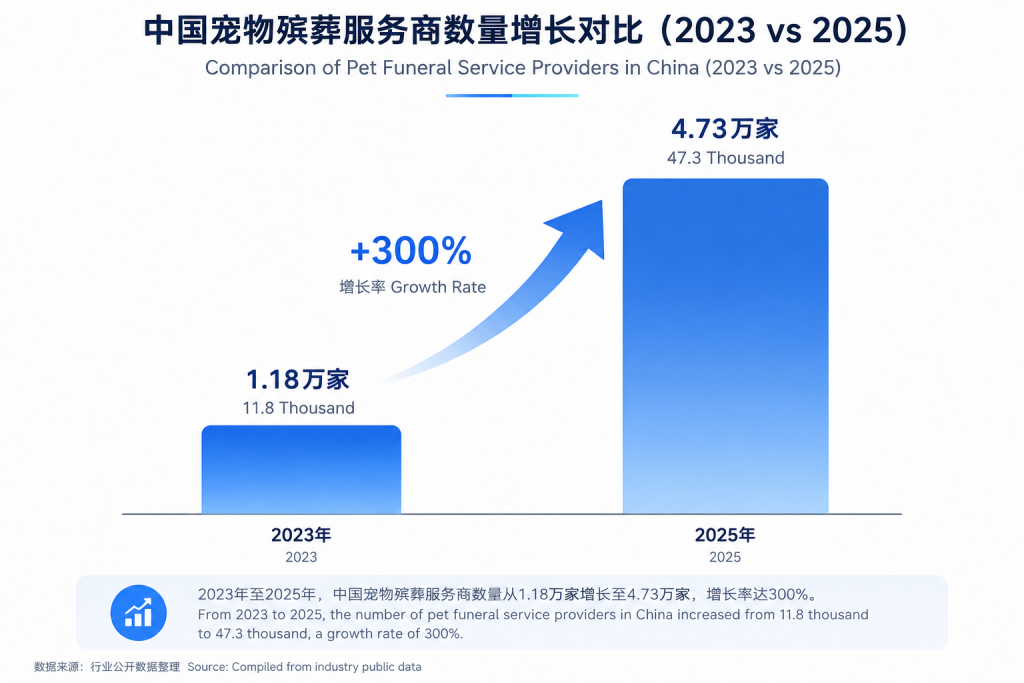
Companies: According to publicly available industry data, as of March 2026, there were as many as 47,300 relevant companies in China, representing a growth rate of over 300% in the past five years.
Pet Owner: According to the *Xinmin Evening News* and the *Beijing News*, the number of dogs and cats in urban areas reached 126 million in 2025, with more than 60% of owners viewing their pets as family members—this is the core of the demand.
What services are available?
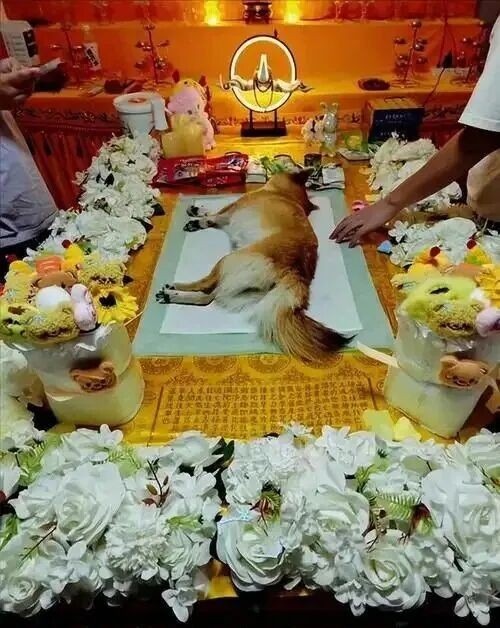
A comprehensive service chain has already taken shape in the market, including door-to-door transportation, body preparation, farewell ceremonies, cremation (both communal and private), urns, paw-print keepsakes, and even online memorial services and ash storage.
Is it expensive?
Basic Cremation : Charged by weight; the starting price for cats or small dogs is typically between 400 and 500 yuan.
Full-service package : Including the farewell ceremony, memorial items, and an urn, the cost can run into the thousands of yuan.
Key Issues : Three Major Risks to Watch Out For
The Mystery of Qualifications : Cremation falls under “animal waste disposal,” requiring both a Certificate of Compliance with Animal Disease Prevention and Control Standards and an Effluent Discharge Permit. In reality, however, only three facilities in Guangdong Province are fully compliant, while the majority operate without the necessary permits.
“ Ghost Cremation ”: This is the biggest concern for consumers—that businesses, in an effort to cut costs, fail to honor their promise of individual cremation, instead creasing multiple pets together or even disposing of the remains outright.
Environmental Hazards : Some unscrupulous businesses use modified trucks to secretly burn waste in suburban areas or no-burn zones, producing large amounts of black smoke and foul odors, polluting the environment without any oversight.
*Why is individual cremation so difficult? The costs associated with individual cremation—including equipment, energy consumption, labor, and facility space—are significantly higher than those for cremation of 10 to 20 pets together. Secondly, from a commercial pricing perspective, this is considered a differentiated service with an emotional appeal; even at a higher price, there will still be customers willing to pay for it. Finally, some funeral homes have limited cremation chambers, and offering individual cremation services would reduce their profits.
*How can you protect your rights in this situation? 1) Screen providers in advance and specify terms in the contract (conduct on-site visits or video verification, sign a written agreement, ask if you can observe the process, and verify their credentials); 2) Take precautions during the cremation process (mark the remains, request that the body be placed in the cremation chamber and the ashes collected on-site, and retain physical characteristics of the ashes, such as implants, etc.);3) Choose institutions with clear commitments and transparent records (look for those that can provide a “Certificate of Individual Cremation,” check reviews and complaints, and be wary of extremely low-priced individual cremation services);4) Post-cremation rights protection and reporting channels (preserving evidence, knowing legal recourse, and participating in collective action); 5) Long-term efforts to promote industry self-regulation and transparency (advocating for relevant regulations, encouraging the installation of in-chamber surveillance cameras, and choosing chain operators or established brands).
II. Policy and Regulation: A "No-Man's-Land" of Regulatory Vacuum
This is the root cause of all the current problems—the lack of a clear legal status.
Legal Dilemma: Pet funeral services currently fall into a regulatory gray area.
Civil Affairs Department: We only handle human funerals; we have no jurisdiction over pets.
Bureau of Agriculture and Rural Affairs: Responsible for the “safe disposal” of livestock such as pigs, cattle, and sheep; it does not have explicit regulatory authority over pet cats and dogs in urban areas.
Environmental authorities: We can only monitor whether emissions exceed standards, but it is difficult to proactively identify and crack down on hidden illegal burning sites.
Compliance Challenges: Businesses seeking to obtain permits also face significant hurdles. According to regulations, waste treatment facilities must be located far from residential areas, but equipment such as incinerators often requires investments of two to three million yuan, and the market size is limited. This leaves businesses caught in a dilemma where “operating without a permit is illegal, but obtaining one results in financial losses.”
Latest Developments: The industry’s乱象 have drawn the attention of national authorities. At the 2026 National People’s Congress and Chinese People’s Political Consultative Conference, several delegates proposed accelerating the enactment of specific legislation to clarify regulatory responsibilities and industry standards. Potential future approaches include removing pet funeral services from the framework of animal disease prevention and control, or following the Hong Kong model by having the government provide centralized processing facilities.
III. Innovative Alternatives: A More Eco-Friendly and Heartfelt Farewell
In addition to traditional cremation and burial, some cooler and more meaningful ways of commemorating the deceased have emerged internationally.
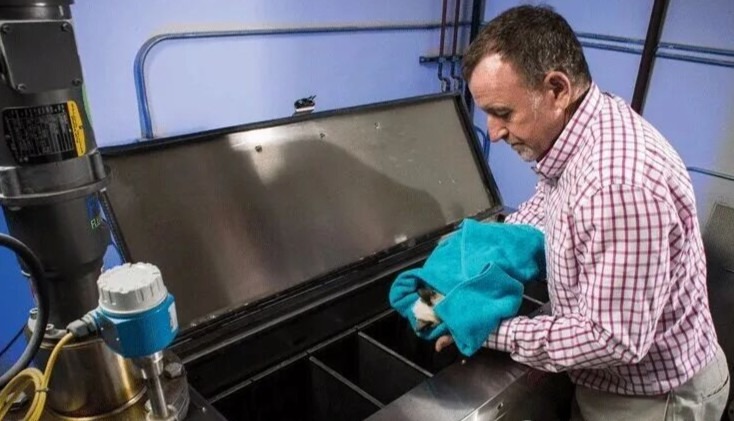
Aquamation 💧: The new favorite in eco-friendly cremation.
Principle: Decomposition is accelerated using an alkaline solution, hot water, and pressure, similar to the natural decomposition process.
Advantages: Compared to cremation, it reduces energy consumption by 90% and produces zero harmful gas emissions, making it more environmentally friendly. The ashes are identical to those produced by traditional cremation and can be preserved in the usual manner. Service providers in Singapore and other locations have already adopted this method.
Memorial Reefs 🪸: Keeping Life Alive
Principle: Cremated remains are mixed with oyster shells and cement to create artificial reefs that are placed on the seabed to promote the growth of coral and marine life.
Benefits: Companies in the UK have already launched this project in Indonesia and other locations, and data shows that biodiversity in the areas where the structures were placed has increased nearly 14-fold. You will receive a model of the reef and underwater footage, allowing you to witness the flourishing of new life.

All-electric cremation ⚡️: A green upgrade to traditional methods.
Principle: Replace natural gas with renewable electricity to achieve zero fossil fuel consumption.
Advantages: It preserves the ceremonial nature of traditional cremation while significantly reducing the carbon footprint. Fully electric pet crematoriums have already appeared in Michigan.
Official channels: Currently the safest option.
Current Situation: At present, only a few cities (such as Shanghai and Dongguan) have official animal disposal centers that operate transparently and in compliance with regulations; however, their capacity is limited, making it difficult to meet the massive demand.
Recommendation: You may want to first call your local Bureau of Agriculture and Rural Affairs or Animal Health Supervision Office to ask if there are any officially recommended disposal facilities.
These insights led me to three unexpected discoveries:
First, I thought this industry was already well-regulated, but it turns out that most agencies are likely operating without a license.
To be honest, at first I thought pet funeral services were just like human funeral services—with a clear regulatory body, licensing requirements, and oversight. After doing some research, I realized that while this sector isn’t exactly a “no-man’s-land” in Shanghai, the reality isn’t much better—the Civil Affairs Bureau explicitly has no jurisdiction over it, and although the Municipal Commission of Agriculture and Rural Affairs has the authority to issue licenses, countless unlicensed operations are still operating freely.There is only one official, government-run facility in all of Shanghai, while there are at least a hundred businesses operating under the banner of “pet funeral services.” This made me gasp—if I ever need these services, how will I know if the one I choose is actually legitimate?
Second, the idea of "individual cremation" might be a lie—something I hadn't anticipated.
This was the most shocking revelation I encountered during my research. Some unscrupulous businesses collect payment for individual cremations but end up cremating multiple pets together—or even simply discarding the remains. This means that while owners believe they are giving their pets a proper send-off and expect to receive ashes containing “only their pet,” they may actually have no idea what really happened. If owners were to learn this truth, I believe the emotional pain would be even more agonizing than the loss of the pet itself.
Third, it turns out there are ways that are more environmentally friendly and meaningful than cremation.
I used to think cremation and burial were the only options. But this time, I discovered that there’s also hydro-cremation (which consumes 90% less energy than traditional cremation), turning ashes into artificial reefs placed on the ocean floor (which boosts biodiversity by nearly 14 times), and all-electric cremation. Although these methods are still rare in China, they’ve at least made me realize that there may be better options in the future—that “cremation” isn’t the only path.
What does this topic mean to dog owners?
We have a dog at home, too. To be honest, I’ve never really given much thought to what I’d do after “it’s gone.” It’s not that I didn’t want to think about it—I just didn’t dare to.
Every time I think about it, my heart feels heavy, so I instinctively push the thought aside—figuring it’s still a long way off, and that worrying about it won’t do any good.
But after learning more about it, I changed my mind.
I’ve come to realize one thing: Finding out this information in advance isn’t bad luck; it’s a sign of respect.
Because when that day finally comes, I’ll surely be at my most frantic and heartbroken. If I have to scramble to find a provider at the last minute, figure out who’s trustworthy and who isn’t, and worry about the possibility of “ghost cremations”... that would be a second trauma for me, and it would also mean an imperfect final farewell for my pet.
My favorite is the "ash coral reef." Although keeping the ashes close doesn’t give me the feeling that my pet is still with me, it is a beautiful way to continue their life. Not only does their life bring meaning to other lives and even the entire planet, but through processes like the exchange of matter, their life can truly be carried on—participating in the world in a different form and nurturing new life. The grief of losing a beloved pet is, in a way, transformed into hope and
So now I actually feel that knowing these things in advance—even if it’s just being aware of the industry’s irregularities and pitfalls—is a form of responsibility. It’s not about “preparing for it to end,” but rather about “being able to make a choice I won’t regret when it does.”
Note: Some images are sourced from the internet.
Author

lisaxia@vetlog.net
Related Articles

I’d like to talk to someone who has experienced the loss or passing of a pet.
I've recently been conducting interviews on the topic of "lost or deceased pets," and I was hoping...
Read all
Why are terriers so stubborn, while Golden Retrievers are like "angels"?
Have you ever been in this situation: You’re at a friend’s house, and their Golden Retriever...
Read all
Have you also experienced the puppy blues?
This article teaches you how to eliminate anxiety about caring for your puppy.
Read all