Common Levels of Care
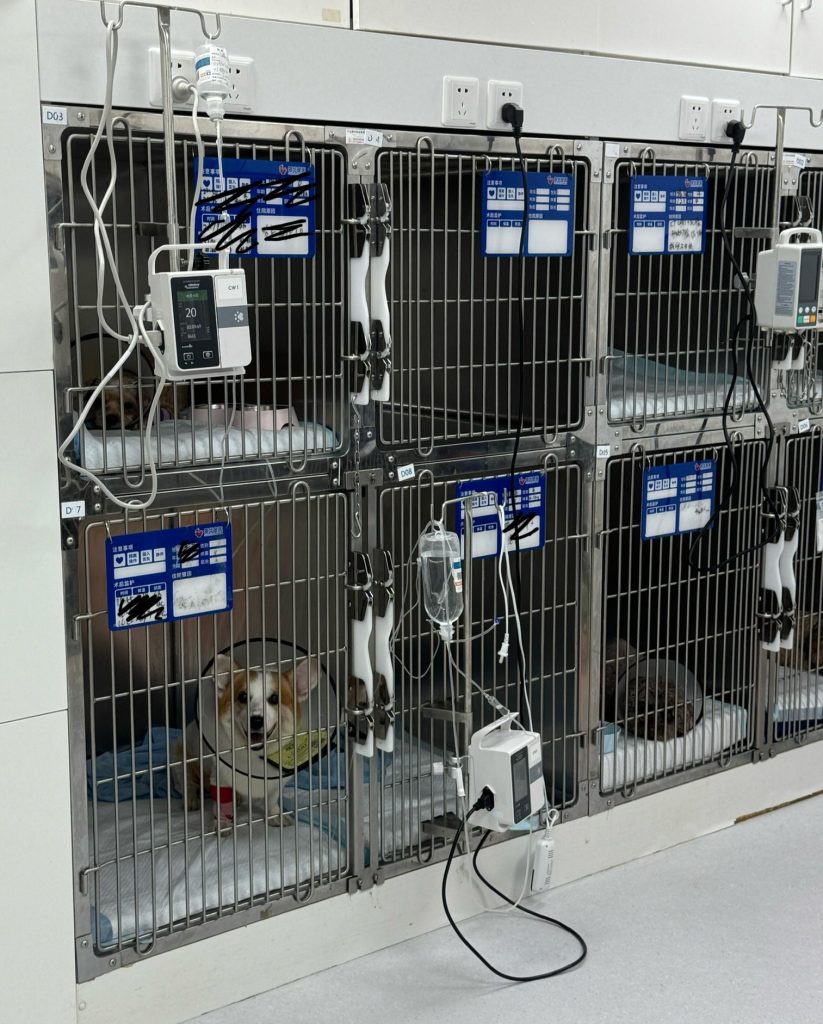
The inpatient department is divided into special care (monitored hourly), A1 (monitored every 2 hours), A2 (monitored every 4 hours), and A3, with monitoring levels decreasing sequentially.
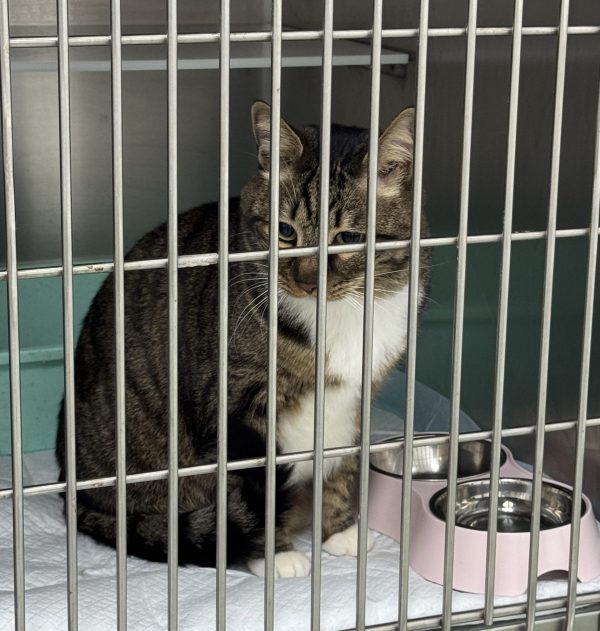
These animals have undergone mastectomies, total hip replacements (THR), and suffer from conditions such as anemia. They require real-time monitoring to ensure their vital signs remain stable and that they recover smoothly. Only then can we ensure they are discharged in good health.
Here, nurses and the veterinarians on the inpatient service work together to safeguard the health of hospitalized animals.
What The Monitoring Covers
Verify the patient's name and medical advice.
Check for objective signs: body temperature, heart rate, respiratory rate, mucous membrane color (classified as pink [pk], pale pink [ppk], pale [p], red [r], etc.), and CRT (capillary refill time; normal is less than 2 seconds; otherwise, dehydration may be present).
Check subjective signs: elimination, condition (BAR indicates normal responsiveness and alertness; QAR indicates normal responsiveness but quietness)
Dog Walking (Log)
Weight, fluid intake and output monitoring, feeding details, appetite, etc.
Other notes should be recorded in the details.
Route of Administration
PO: Oral
💉 SC: Subcutaneous injection, IV: Intravenous injection
Parents come to visit every day, so it’s important to communicate with them in a friendly and effective way~💗
This article is excerpted from my veterinary clinic internship notes; the original was published on July 26, 2025, on my WeChat official account, “VetLog.”

Author

lisaxia@vetlog.net
Related Articles

One Cut, A Lifetime of Protection❗️
During my internship at the veterinary hospital last summer, I noticed that quite a few animals were diagnosed with pyometra or...
Read all