
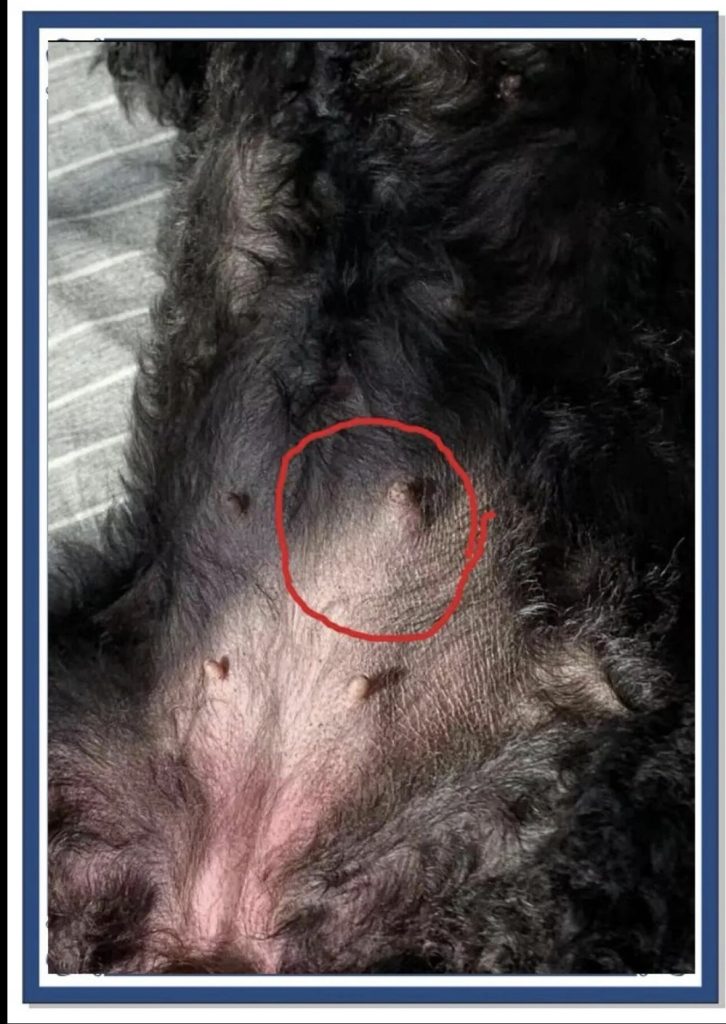
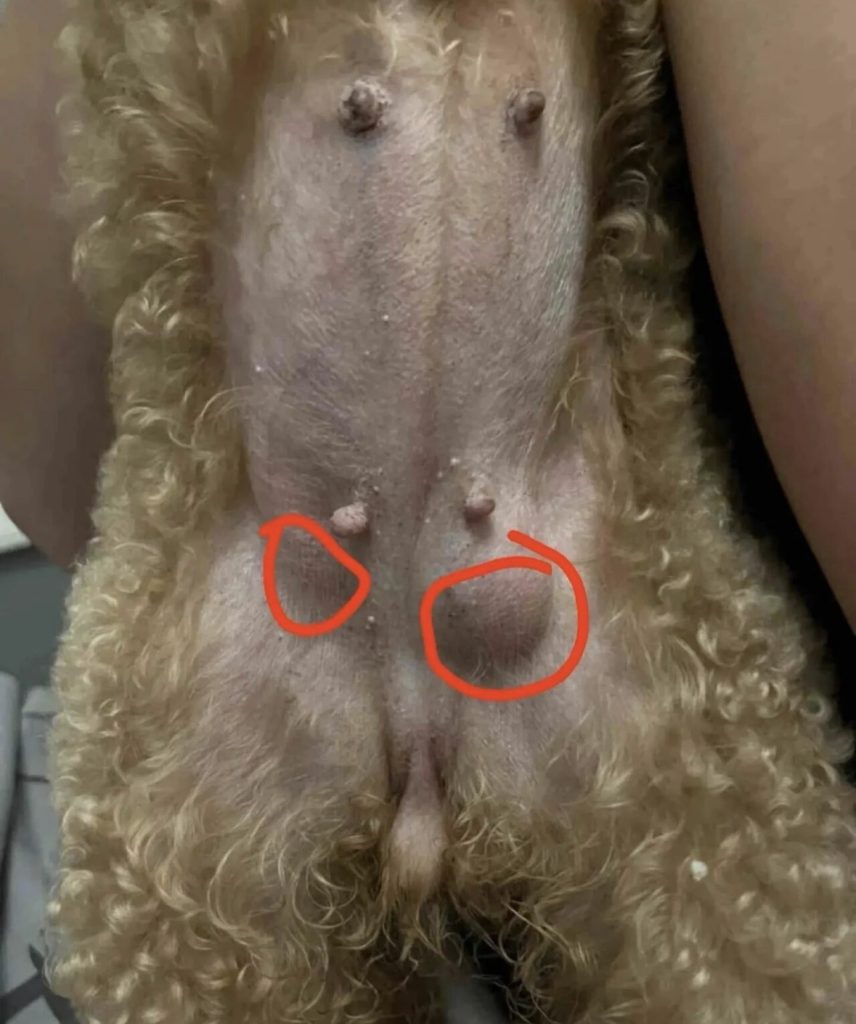
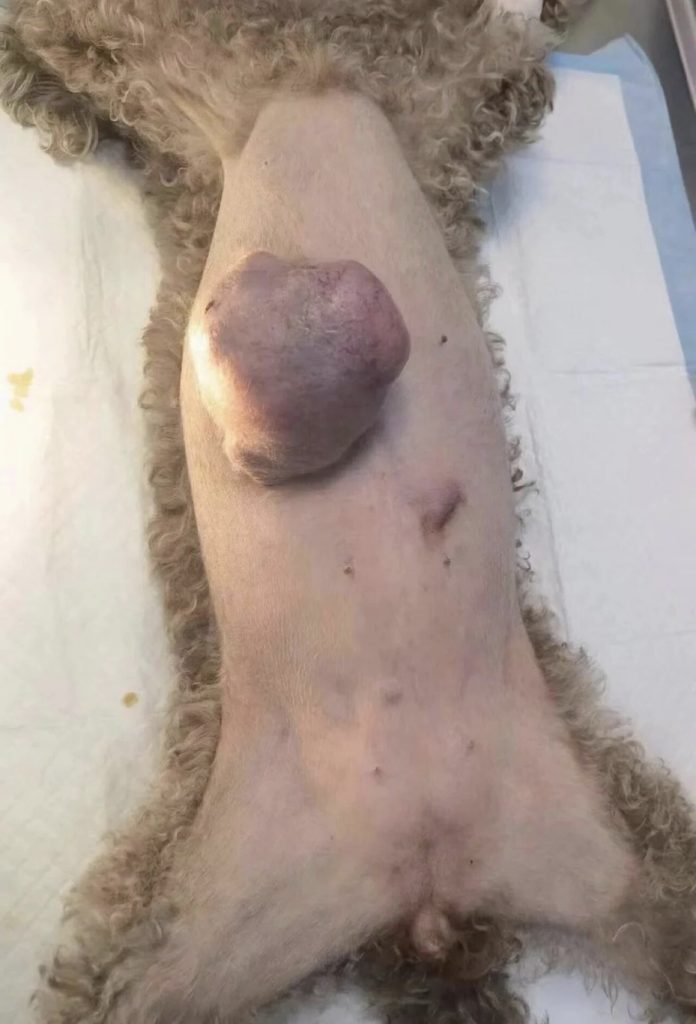
During my internship at the veterinary hospital last summer, I noticed that a significant number of animals were diagnosed with pyometra or mammary tumors, many of which were malignant mammary cancers. By the time many owners discovered the tumors, they had already grown quite large or had spread, making treatment both extremely difficult and costly. This made me even more aware that the importance of spaying and neutering goes far beyond simply controlling reproduction.
Key Health Benefits of Sterilization:
- According to the veterinarian supervising me, spaying female pets can significantly reduce the risk of mammary tumors. In general:
- When spayed before the first heat: Risk is less than 0.5%.
- When spayed after the first heat cycle: Risk increases to approximately 8%.
- When spayed after the second heat cycle: Risks may exceed 25%.
- Mammary tumors are very common in dogs and cats, and a high percentage of them are malignant (90% in female cats and 50% in female dogs); early prevention is far safer and more cost-effective than treatment at a later stage.
- Preventing Multiple Reproductive System Diseases (Female Pets)
- Pyometra: A common yet extremely dangerous uterine infection that can become life-threatening within a short period and requires emergency surgery.
- Ovarian cysts, uterine tumors, and other conditions can be permanently resolved through sterilization.
- Health and Behavioral Improvement in Male Pets
- Completely eliminate the risk of testicular tumors.
- Reduce the incidence of prostate diseases.
- Reduce hormone-driven aggressive behavior, urine marking, and wandering outdoors.
- Reduce the risk of injury from fighting with other animals or getting lost while searching for a mate.
- Extend lifespan and enhance quality of life
- Sterilized pets often become more focused on interacting with their owners。 And female pets, once spayed, are also spared the stress and discomfort of repeated heat cycles.
- Pet owners can also reduce the financial and emotional burden of treating illnesses and dealing with accidents.
One Cut, A Lifetime of Protection ❕❗️
(Note: Some images sourced from the internet)
This article is excerpted from my veterinary clinic internship notes; the original was published on August 15, 2025, on my WeChat official account, “VetLog.”

Author

lisaxia@vetlog.net
Related Articles
🩺Inpatient Care
Common Levels of Care: The inpatient ward offers Special Care (monitoring every hour), A1 (monitoring every 2 hours), ...
Read all